Despite the persistent issue, numerous platforms offer mentorship and networking capabilities. Among them, Growth Mentor stands out as a popular choice, connecting startup founders with industry leaders for personalized growth and marketing discussions [1]. However, a key drawback shared by these platforms is their industry-specific focus, coupled with increasing subscription fees. Furthermore, users must invest time in manually selecting mentors without guidance or support in the process.
MoreLessIn the fast-paced world we live in, keeping up with industry changes and learning new skills daily is key. Having a solid mentor by your side to guide you through challenges or just offer a shoulder to lean on is crucial. But let's be real, finding that perfect mentor ain't easy. So, we are on a mission to shake things up and figure out how to hook up padawans with the right Masters. 'Let AI be with us'
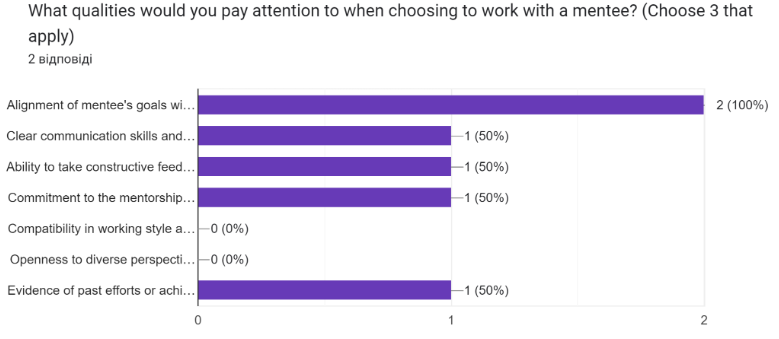
As fellow students, we possess a profound understanding of the hurdles faced by aspiring professionals on their journey to seniority in their respective fields. Consequently, we have identified students and interns aged 18 to 27
as our primary target audience. To gain deeper insights into their experiences and challenges, we've undertaken thorough user research within this demographic.

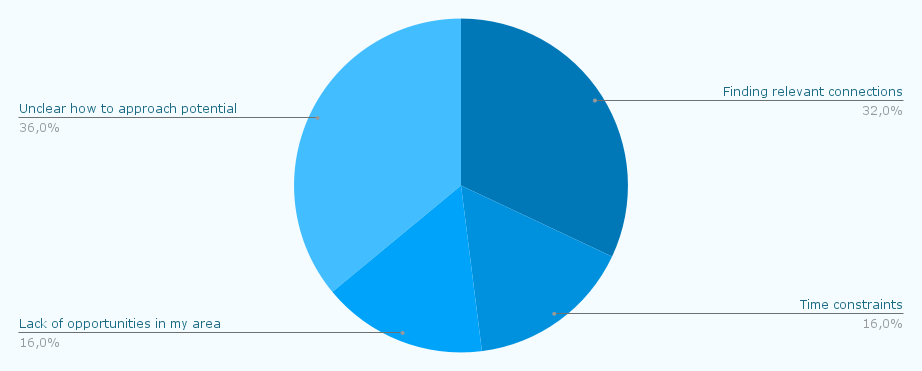
The platform doesn't have a structured mentorship program, which can make users unsure about how to reach out to potential mentors

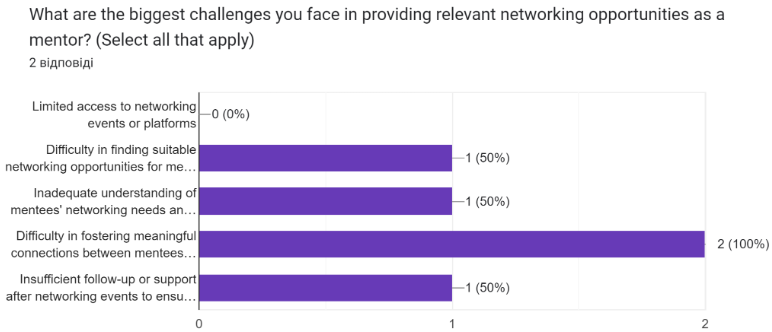
On some professional networking platforms that utilize a swiping mechanism for connecting users, there is a potential issue where the method may not consistently yield relevant professional connections. The swiping process, which often relies on quick profile assessments, may not adequately address the detailed professional needs and nuances of users. As a result, the connections made might not align with users' specific career goals or industry requirements
MoreLess.png)
Active participation in certain apps, such as engaging in discussions, reading the latest research, and establishing connections, requires a considerable investment of time, which not all users can afford
.png)


.png)


Our cognitive ergonomic design aims to create interface and environment that minimize stress levels for users, promoting a more comfortable and productive experience.
It involves evaluating the cognitive demands placed on users during tasks to ensure they remain within manageable limits, preventing overload and maintaining efficiency.
With this principle we emphasized designing interface and workflows that reduce the need for users to hold information in their working memory, thus enhancing cognitive ease and task performance.

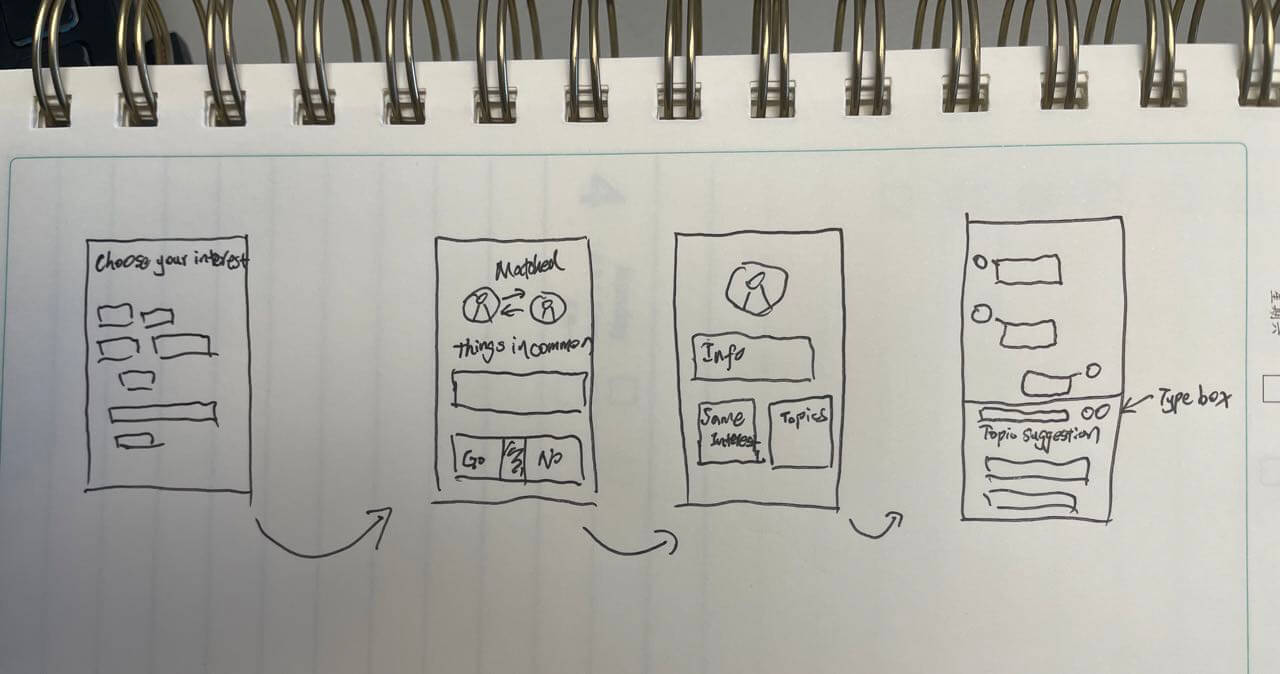
We sketched our ideas on paper for our low fidelity prototype. After some internal testing and asking around with potential users, we decided to proceed with the flow to higher fidelity prototype.
The flow consists of:
1. Uploading your information
2. Run AI matching to see who matches to be a potential mentor
3. See mentor's information and AI recommended topics
4. Start conversation with your mentor


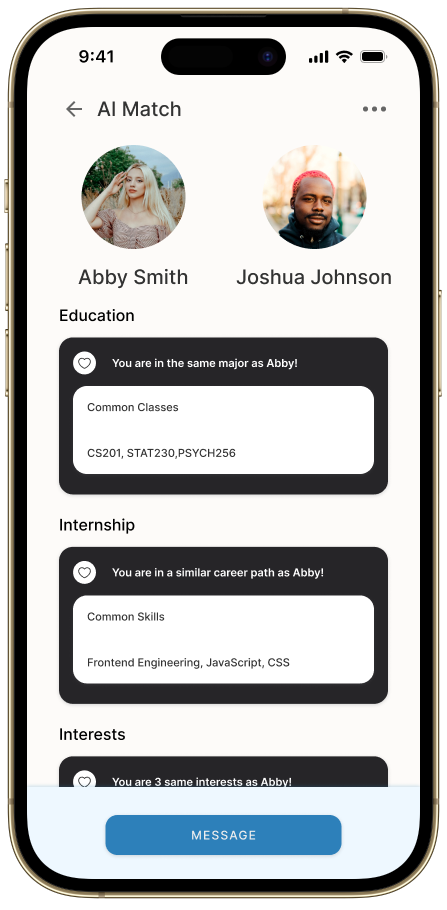
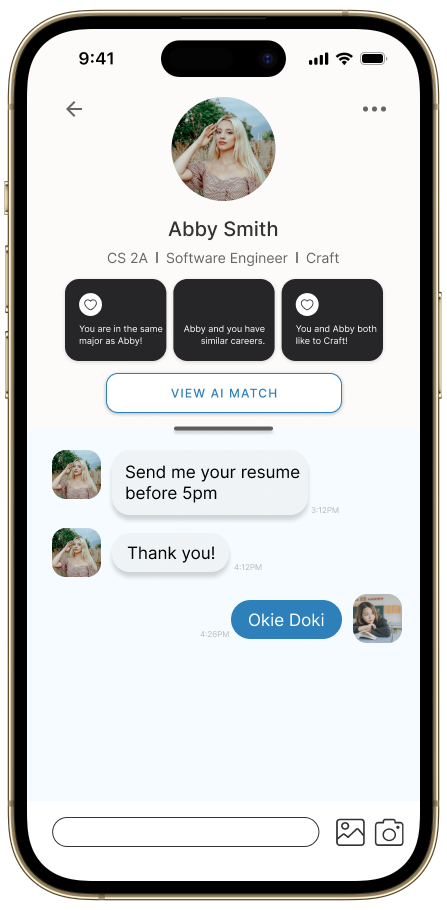
Feature I AI generated ice-breaker prompts
Target Pain Point: People might not know where to start conversations, especially with mentors who they have not known very well.
Explanations: Blocks in black background would be the AI features on how the mentor and the mentee would fit.
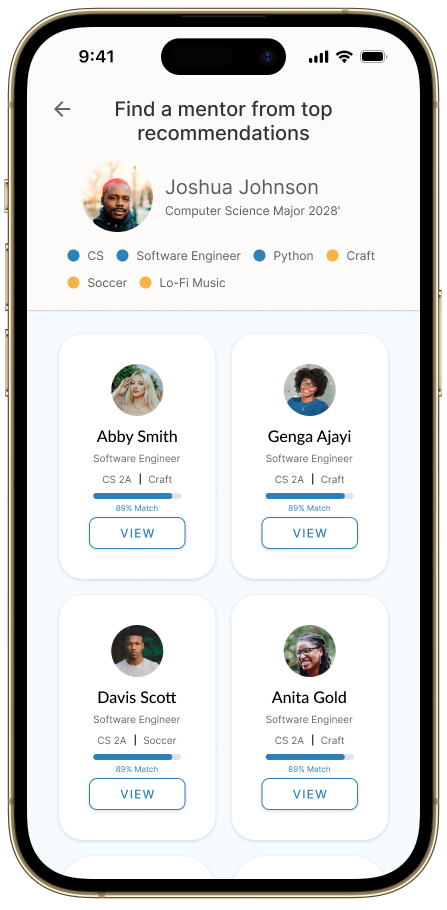
Feature II Matching people with high relevance
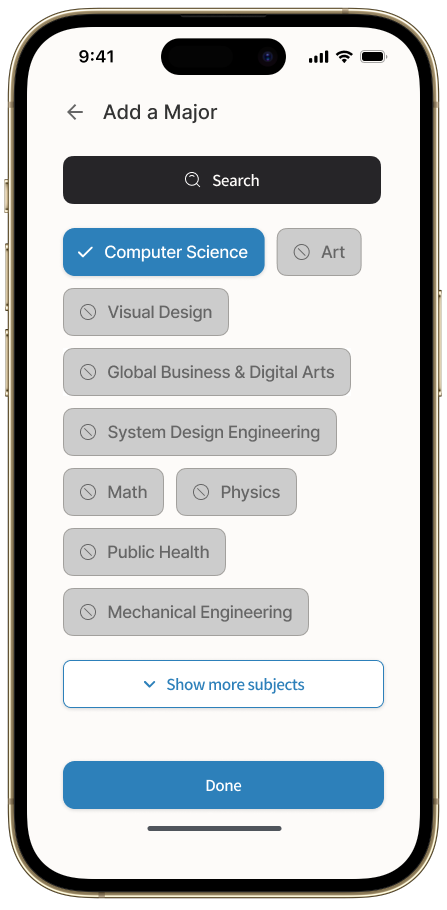
Target Pain Point: From survey we know that People might not know where to find the right connection. Hence, we give them a way to meet new mentors based on the information they put in.
Explanation: Users would input information like the right image and get recommendations for mentors on the right screen.


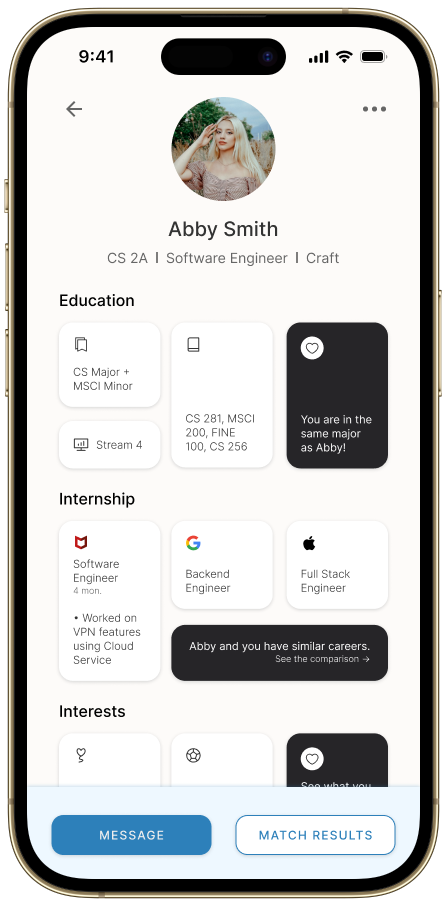
Feature III Easy knowledge retrieval of mentor/mentee background
Target Pain Point: People tend to forget who each person is from at group networking events. Hence, this will reduce their mental workload by giving the users more information and letting them recognize who they met instead of recalling.
Explanation: Allow displaying information on chat screen for a better recall.
We have mainly recruited from University of Waterloo students as they fit the demographic of our potential users as users with networking needs and may seek advice from higher years.
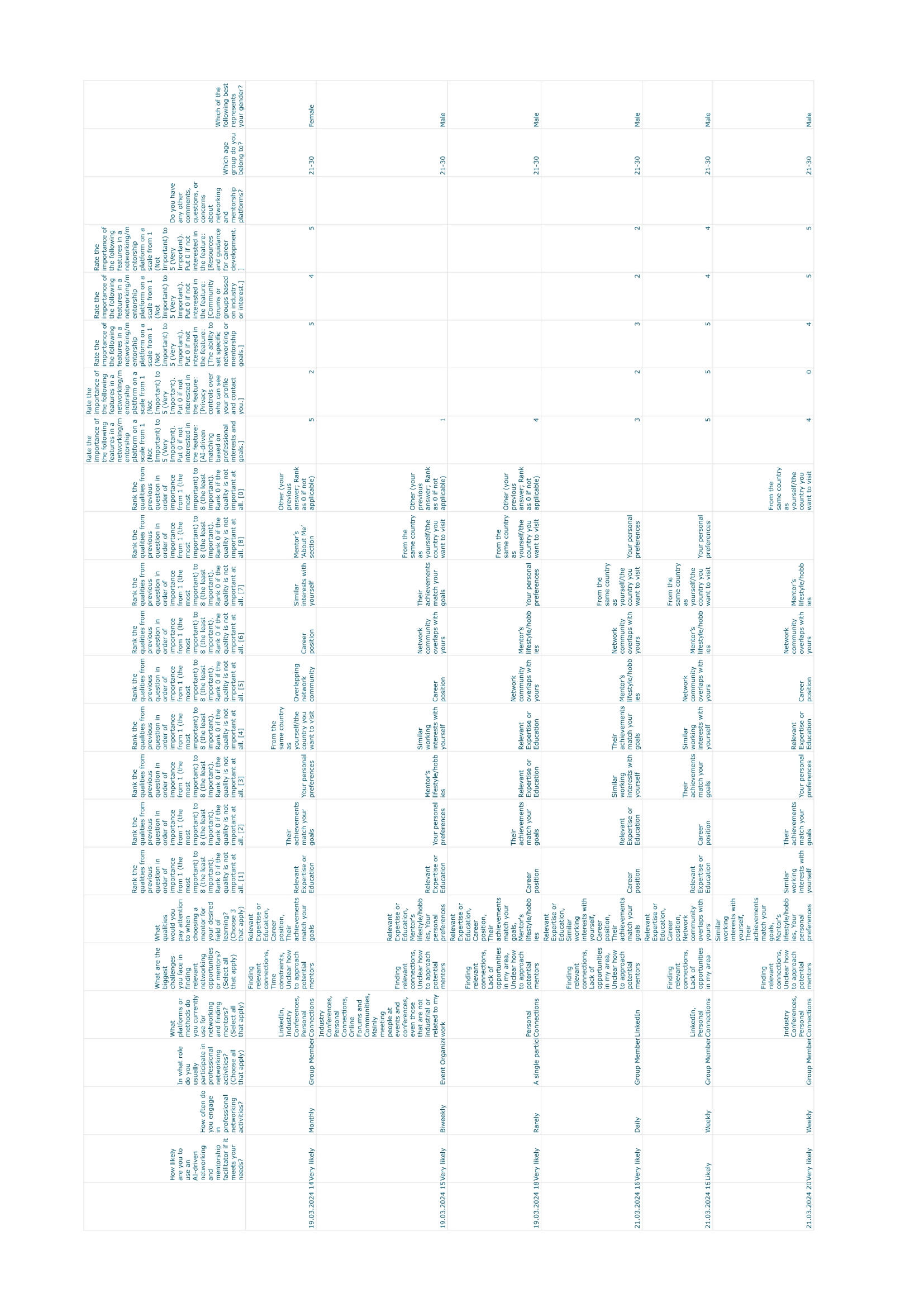
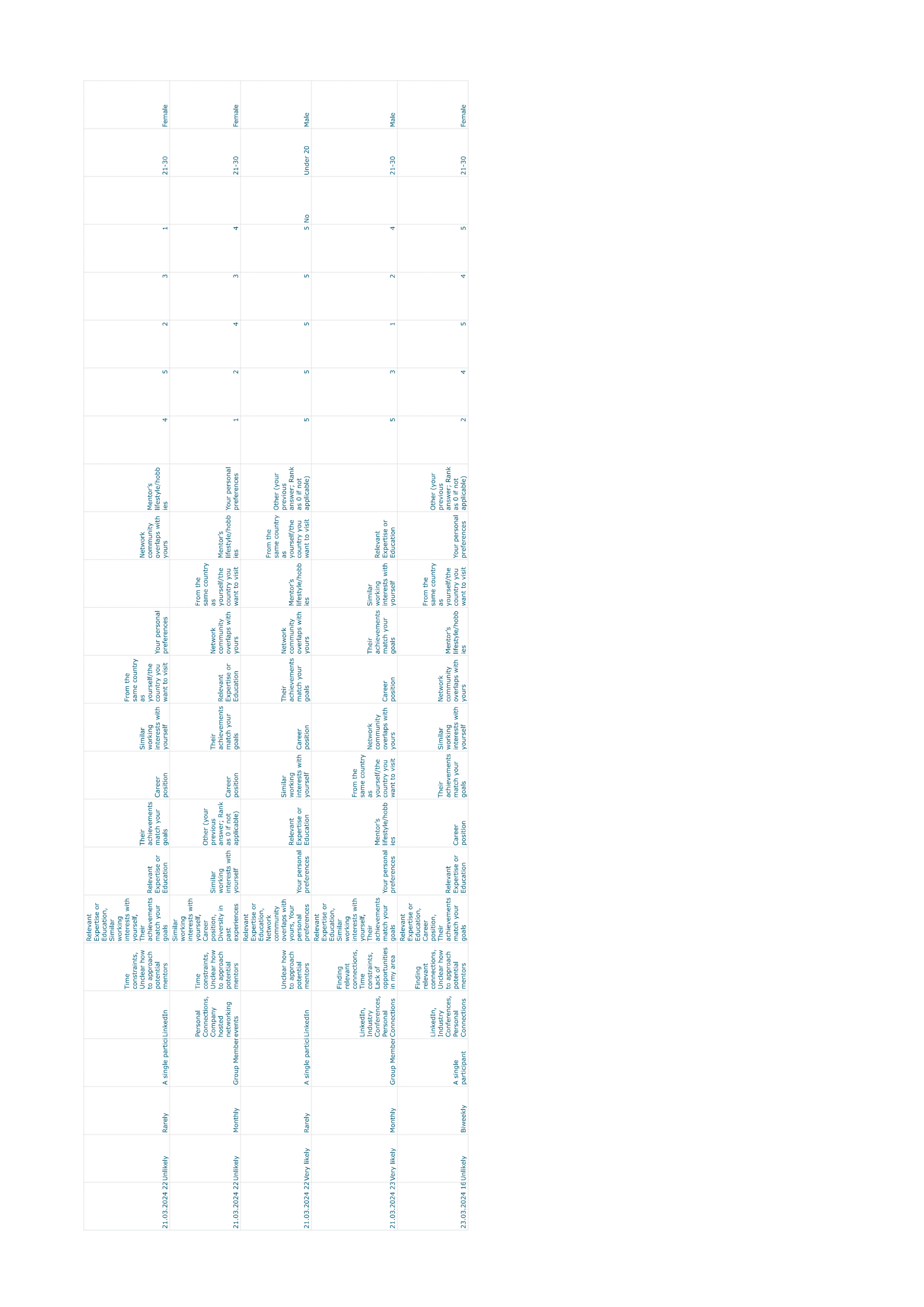
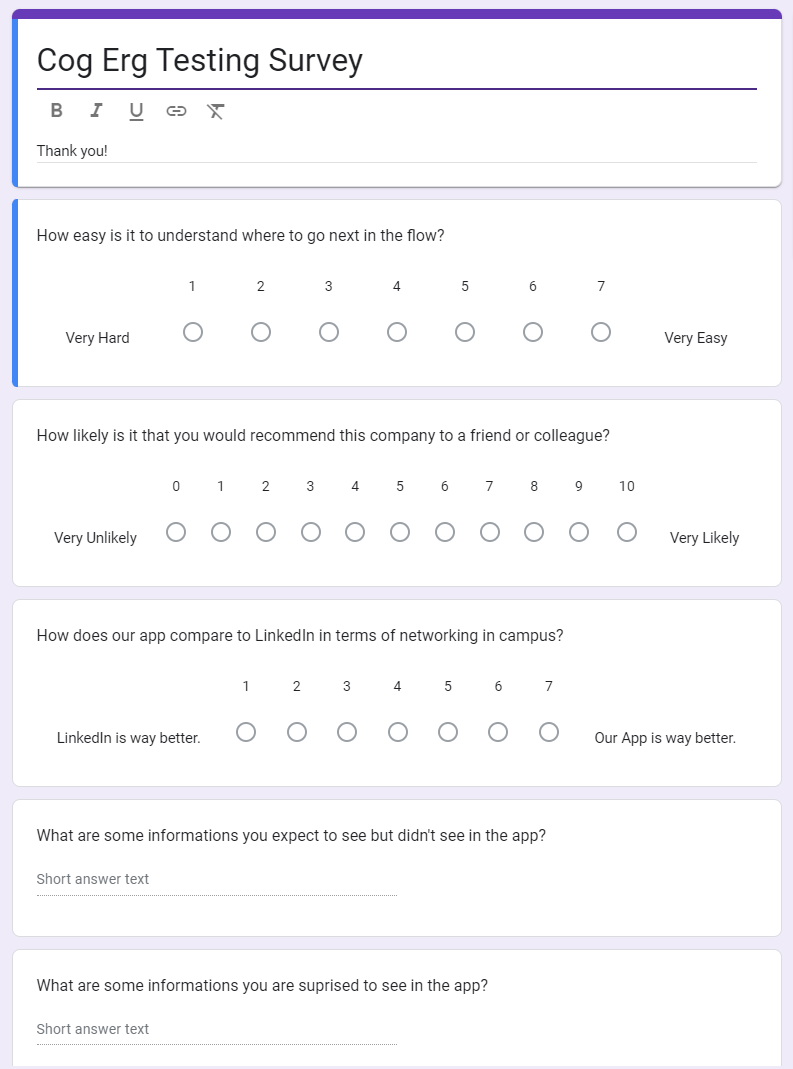
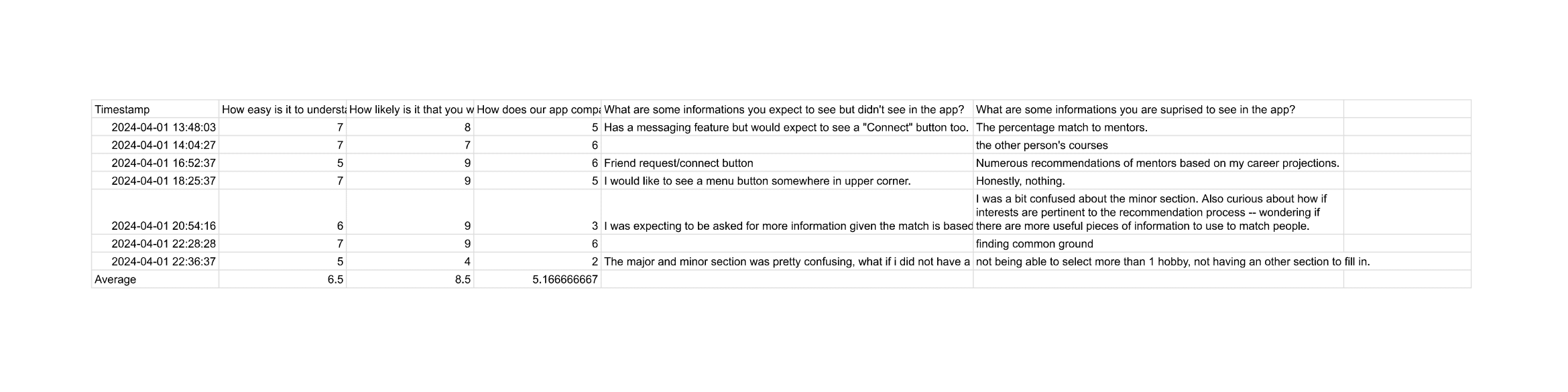
In line with our chosen topic, we conducted user research among the platform's target demographic: students and interns aged 18 to 27 who encounter difficulties in connecting with mentors to enhance their skills. Drawing from the findings, we crafted a low-fidelity prototype and personally tested it, identifying pivotal pain points. Utilizing this feedback, we iterated and crafted a high-fidelity prototype for our platform, dubbed 'Praxeum'. This iteration underwent testing with 6 potential users, yielding promising results. Feedback was overwhelmingly positive, with our platform receiving high ratings from participants.
MoreLessDuring user testing, valuable insights emerged, highlighting areas for improvement. These included the necessity to integrate a search field, facilitating users in locating individuals. Additionally, there was a call for validating mentors' skills, enhancing the platform's credibility. Users also expressed a desire for functionality allowing them to track their progress effectively. Another suggestion was to incorporate a menu button for easy access to personal profiles. Furthermore, enhancing visual differentiation between tabs was deemed beneficial for user navigation. To foster connectivity, participants recommended the addition of a 'connect' button and the option to build one's own network, fostering a more dynamic user experience.
LessMoreFeedback given from the presentation allowed us to think critically of how the app would differ for users depending on their personal goals. When considering mentor vs mentee interface, through user research we found that the app should not need to differ greatly due to users having similar goals and deal with similar struggles. Instead we could add badges to individual conversations that labels the role of each user within the relationship. The wireframe although simplistic, our team synonymously agreed with the direction that the app was going and wanted to prioritize prototyping to ensure positive user-testing results.
LessMoreMoving forward, 'Praxeum' is poised for dynamic growth and innovation. Building on user insights, our focus is on expanding features, refining mentor-mentee matching, and fostering a vibrant community. Personalization will be key, with tailored profiles and recommendations. Usability enhancements will ensure a seamless experience. Our commitment to innovation ensures 'Praxeum' remains a valuable resource for skill enhancement, mentorship, and personal growth.


We sketched our ideas on paper for our low fidelity prototype. After some internal testing and asking around with potential users, we decided to proceed with the flow to higher fidelity prototype.
The flow consists of:
1. Uploading your information
2. Run AI matching to see who matches to be a potential mentor
3. See mentor's information and AI recommended topics.
4. Start conversation with your mentor.